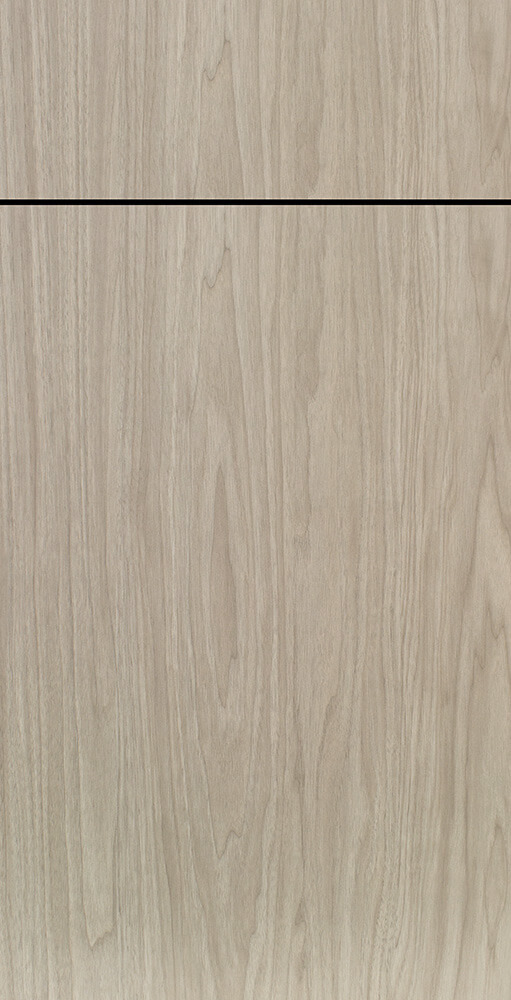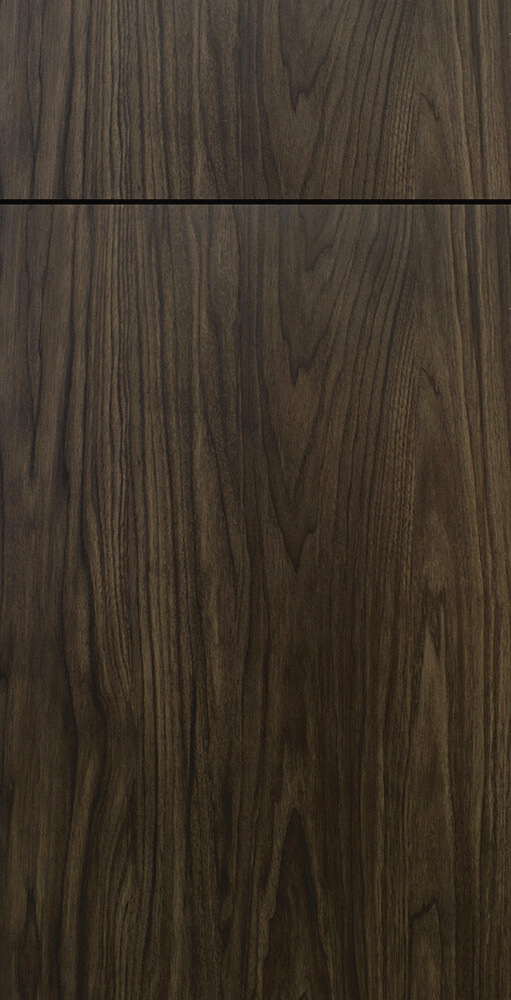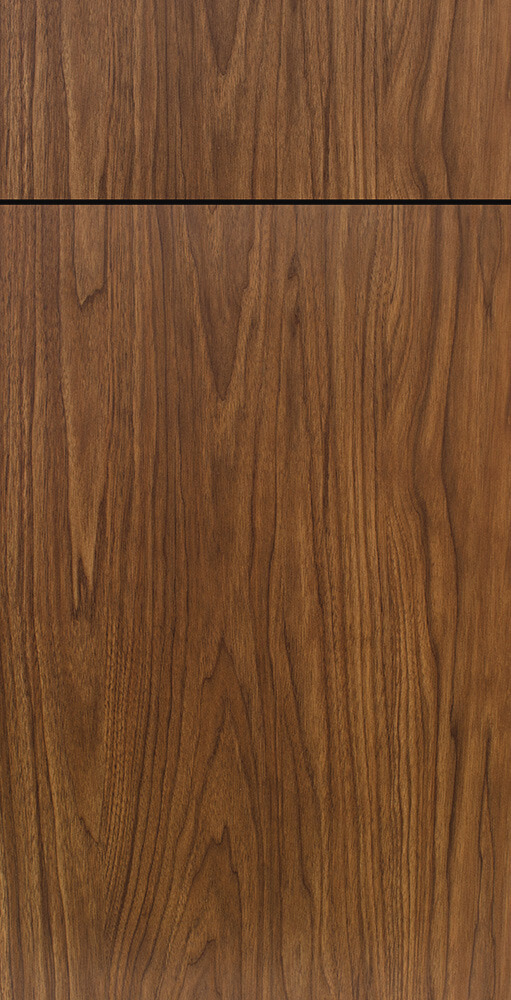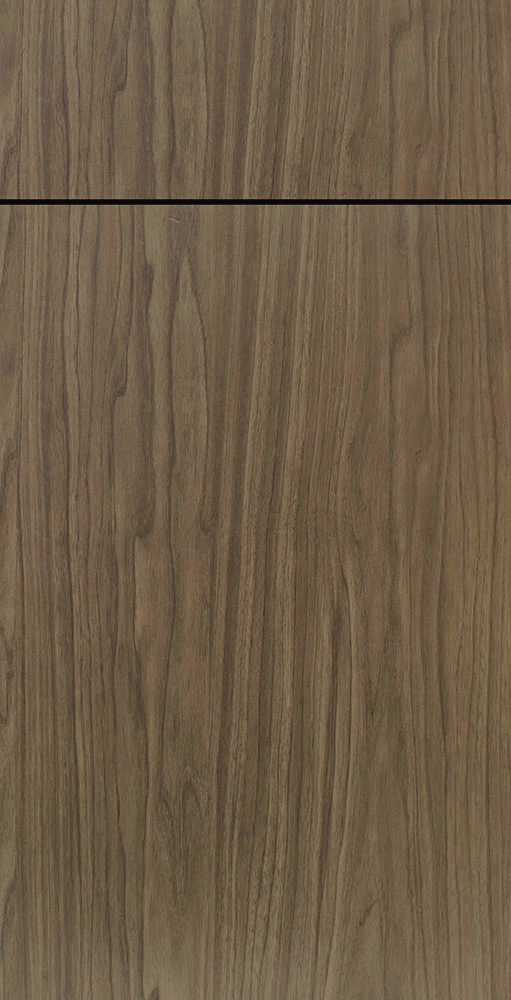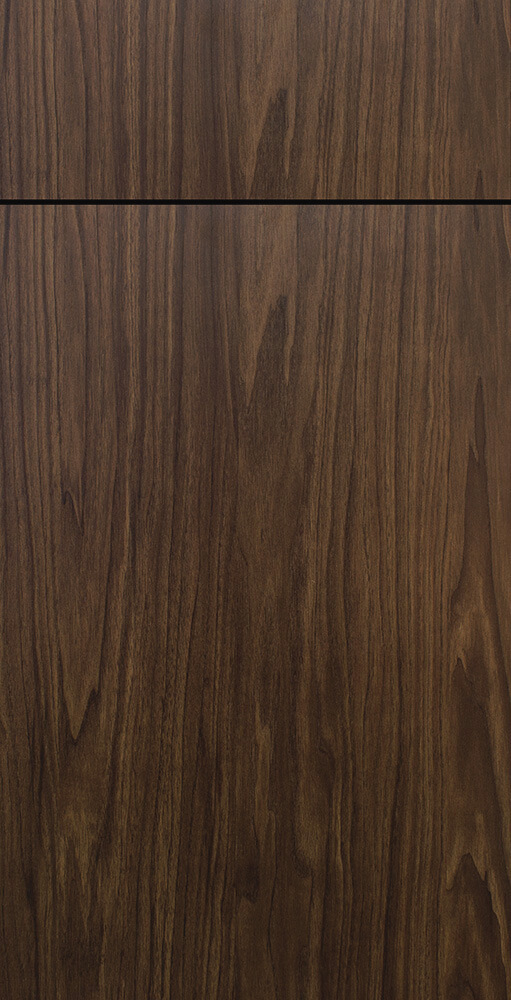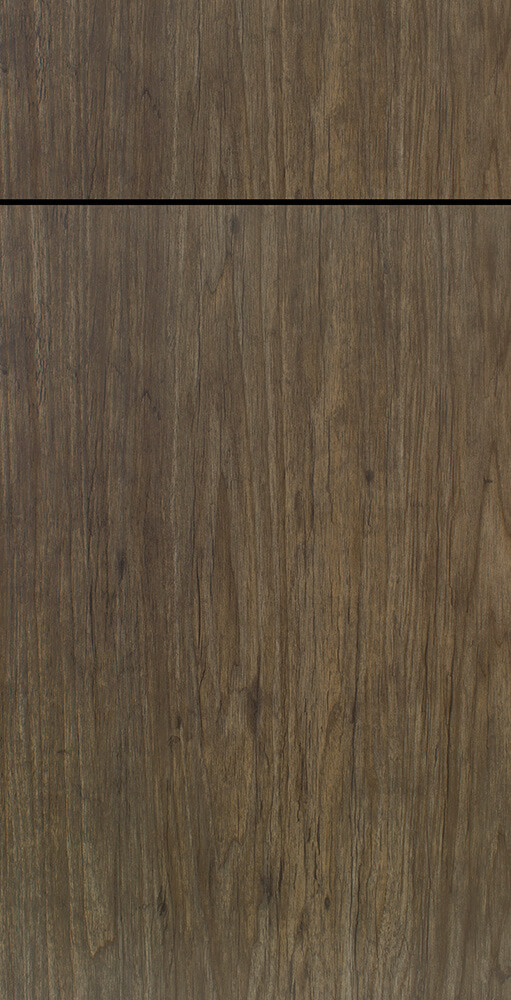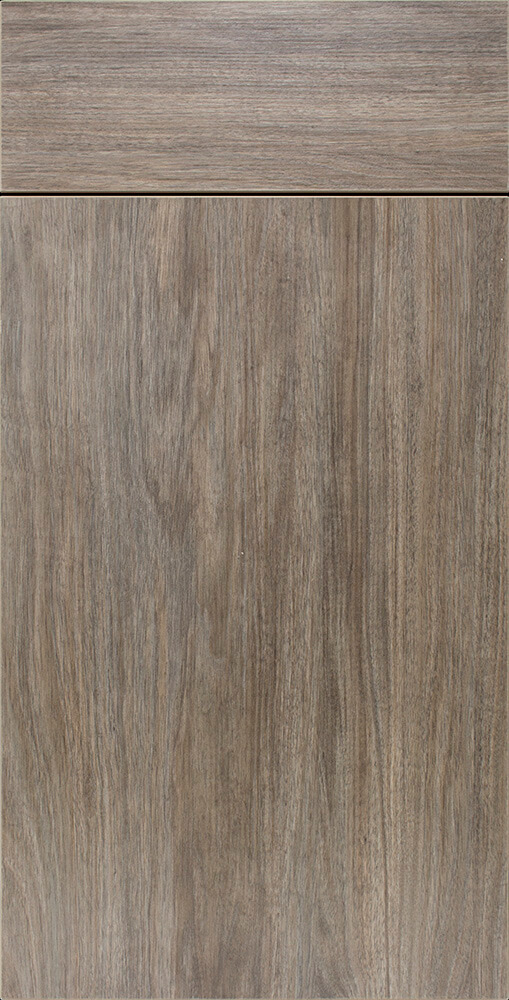
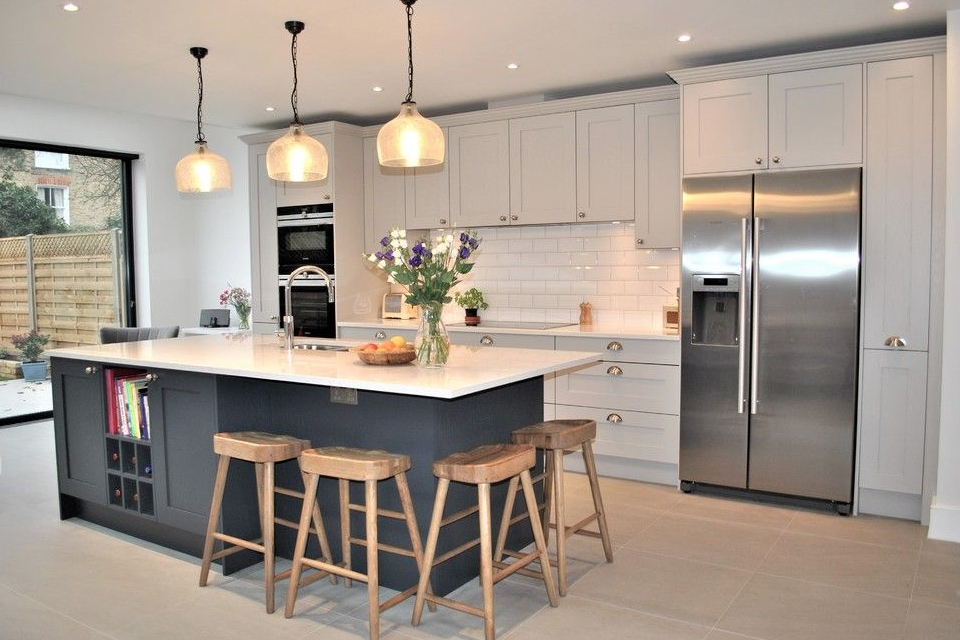
Your kitchen cabinets are one of the most noticeable features in your home. Whether you have solid wood cabinets, MDF cabinets, or painted kitchen cabinets, proper care and maintenance are essential to preserve their beauty and extend their lifespan. With regular cleaning and smart upkeep, you can keep your cabinetry looking new for years.
1. Daily Cleaning for Kitchen Cabinets
Daily exposure to grease, steam, and spills can damage cabinet finishes. To maintain long-lasting beauty:
- Use a soft microfiber cloth to remove dust and grime
- Clean with a mild dish soap and warm water solution
- Wipe dry immediately to prevent moisture damage
- Avoid abrasive cleaners that can scratch surfaces
For white kitchen cabinets, frequent gentle cleaning helps prevent yellowing and staining.
Pro Tip: Always clean spills immediately—especially oil and sauce splatters near the stove.
2. Deep Cleaning & Degreasing
Grease buildup is common in busy kitchens. Every 2–3 months, perform a deep cleaning:
- Use a vinegar and water mixture for natural degreasing
- Apply baking soda paste on stubborn stains
- Gently scrub with a soft sponge
- Rinse with clean water and dry thoroughly
Avoid soaking cabinets, as excess moisture can cause swelling—especially in wood and laminate cabinets.
3. Protecting Cabinet Finishes
To preserve cabinet finish and shine:
- Polish wooden kitchen cabinets every 3–6 months
- Use furniture polish specifically made for cabinets
- Touch up small chips with matching cabinet paint
- Refinish cabinets if the surface becomes dull or scratched
If you have solid wood kitchen cabinets, occasional conditioning prevents cracking and drying.
4. Maintaining Cabinet Hardware & Hinges
Cabinet hardware and hinges also need attention for smooth functionality.
- Tighten loose cabinet handles and knobs regularly
- Clean metal hardware with a non-abrasive cleaner
- Lubricate squeaky hinges with a small amount of oil
- Upgrade to soft-close hinges if doors slam frequently
Proper maintenance prevents misalignment and extends the life of your kitchen cabinet doors.
5. Preventing Moisture & Heat Damage
Kitchens produce humidity and heat that can weaken cabinetry over time.
- Use a range hood to reduce steam and grease
- Install under-cabinet lighting carefully to avoid heat buildup
- Keep cabinets dry around sinks and dishwashers
- Use shelf liners to protect interior surfaces
Moisture is one of the main causes of cabinet warping, especially in areas near plumbing.
6. Organizing Cabinets to Reduce Wear
Overloading shelves strains hinges and joints.
- Distribute weight evenly
- Avoid slamming doors and drawers
- Use organizers to reduce clutter
- Store heavy cookware in lower cabinets
Smart organization minimizes stress on cabinet frames and extends durability.
FAQs
1. How often should I clean kitchen cabinets?
Light cleaning should be done weekly, while deep cleaning and degreasing can be done every 2–3 months.
2. What is the best cleaner for wooden kitchen cabinets?
A mild dish soap solution or vinegar and water mix works well. Avoid harsh chemicals and abrasive scrubbers.
3. How can I prevent kitchen cabinets from yellowing?
Regular cleaning, avoiding direct sunlight, and using protective finishes help prevent discoloration—especially for white cabinets.
4. When should I refinish kitchen cabinets?
Refinishing is recommended when the finish becomes dull, scratched, or worn beyond simple touch-ups.